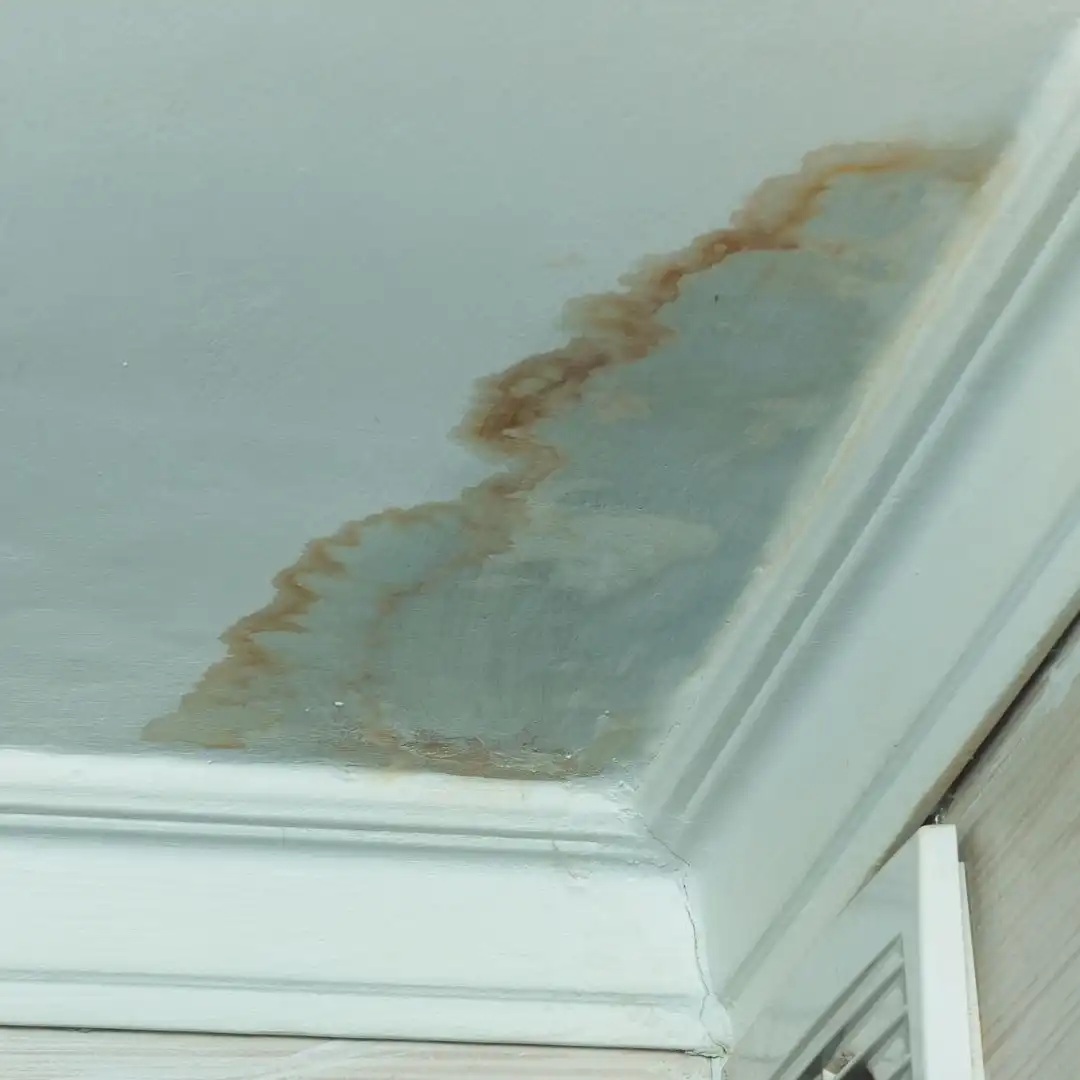
Quick Answer: The First Hour at a Glance
Stop the water at its source, cut power to wet areas at the breaker, move people and pets to dry ground, photograph everything before you touch it, and call a certified restoration contractor. Lift what you can off the floor, pull back rugs, and open windows only if outdoor humidity is low. Do not run the HVAC if water has reached the ductwork or return vents.
Minute by-Minute Timeline
Minutes 0 to 10: Stop the Source
- Shut off the main water valve or the closest fixture stop.
- Cut breakers feeding any wet room before stepping in.
- Move children, elderly family, and pets out of the affected zone.
- If sewage is involved, leave the area and read our sewage backup cleanup guide before any contact.
- If you cannot locate the main valve, look near the front hose bib, in the basement on the street facing wall, or in a utility closet on slab homes.
- Keep a labeled shutoff diagram on the inside of an electrical panel door so any family member can act without hunting for valves.
Minutes 10 to 25: Contain and Assess
- Place towels at thresholds to stop migration into dry rooms.
- Lift furniture legs onto foil squares or wood blocks.
- Pull up area rugs and hang them over a railing.
- Identify the water category: clean supply line, gray appliance water, or black sewage.
- Open closet doors, vanity cabinets, and built ins so trapped air can move and hidden pooling can be found.
- Check the room directly below the leak. Water travels along joists and often surfaces several feet from the original source.
Minutes 25 to 45: Document Everything
- Photograph each room from four corners before moving anything.
- Take close ups of damaged materials, serial numbers, and the water source.
- Record a short video walkthrough narrating what you see.
- Save receipts for anything you buy in response, including fans or tarps.
- Capture the water line on baseboards and walls with a tape measure in frame. Adjusters use that measurement to scope drywall removal.
- Photograph the contents of cabinets and closets before you empty them. Lost items are easier to claim with a visual record.
Minutes 45 to 60: Call for Help
- Call your restoration contractor and your insurance carrier.
- Note the claim number, adjuster name, and dispatch ETA.
- Ask the restoration crew what to move or protect before they arrive.
- Britton Ridge Water Restoration typically dispatches a crew to Britton Ridge homes within 2 hours of the first call, so use that window to keep documenting and containing.
- Ask whether your policy requires a specific vendor or pre approval before equipment is set.
When to Call a Professional Right Away
- Water has crossed more than one room or one floor.
- You smell sewage or see staining at a floor drain.
- The leak ran overnight or longer.
- Water is dripping from a light fixture or sagging ceiling.
- You have hardwood, finished basement, or finished crawl space involved.
- Any wet material is within six inches of an HVAC return, since contamination spreads through ducts quickly.
For deeper context on category 1, 2, and 3 water, read our water category breakdown. If the leak came from a supply line, our burst pipe immediate steps guide covers what to expect during cleanup and repair.
Insurance Documentation Checklist
- Photos and video of every affected room before mitigation.
- Copy of your declaration page and policy number.
- Source identification (pipe, appliance, storm intrusion).
- Date and time water was first discovered.
- Contact log for every call made to the carrier or contractor.
- Moisture readings provided by your restoration contractor at initial inspection.
- A written scope of work before any demolition begins.
Setting Up the Next 24 Hours
Once the first hour is behind you, the next day is about stable drying and clear communication. Keep the affected area off limits to foot traffic so wet flooring is not pressed deeper into the subfloor. Leave drying equipment running continuously, since cycling fans on and off extends the dry out by days. Check in with your adjuster once per business day and forward every Britton Ridge Water Restoration report as it lands in your inbox. If you live in Britton Ridge and have small children or anyone with respiratory sensitivity, ask about containment barriers and HEPA air scrubbers during the visit. A calm, documented first hour sets up a faster, cleaner restoration and protects both your home and your claim.
What Not to Do in the First Hour
- Do not enter standing water near outlets, panels, or submerged cords.
- Do not lift saturated drywall sheets by yourself. They can weigh over 80 pounds.
- Do not run ceiling fans under a bulging ceiling.
- Do not use a household vacuum to pick up water.
- Do not throw items away before photographing them.
- Do not place books, electronics, or upholstered items back on wet surfaces, even if the surface looks dry to the touch.
- Do not use heat to speed drying in the first hour. High heat without dehumidification drives moisture deeper into framing.
Shutoff Reference Table
| Source | Where to Shut Off | Tool Needed |
|---|---|---|
| Burst supply line | Main water valve at meter or where line enters home | None or meter key |
| Toilet overflow | Angle stop behind toilet base | Hand |
| Water heater | Cold inlet valve above tank, gas or breaker off | Hand or screwdriver |
| Washing machine | Hot and cold valves at wall box | Hand |
| Dishwasher or fridge line | Under sink shutoff or saddle valve | Hand |
| Sump pit overflow | Confirm pump power, switch float manually | Hand |
Why Speed Matters: The 48 hour Window
Microbial growth begins between 24 and 48 hours on wet organic materials. The chart below shows how quickly common materials transition from salvageable to replacement based on what we see in Central Indiana homes.